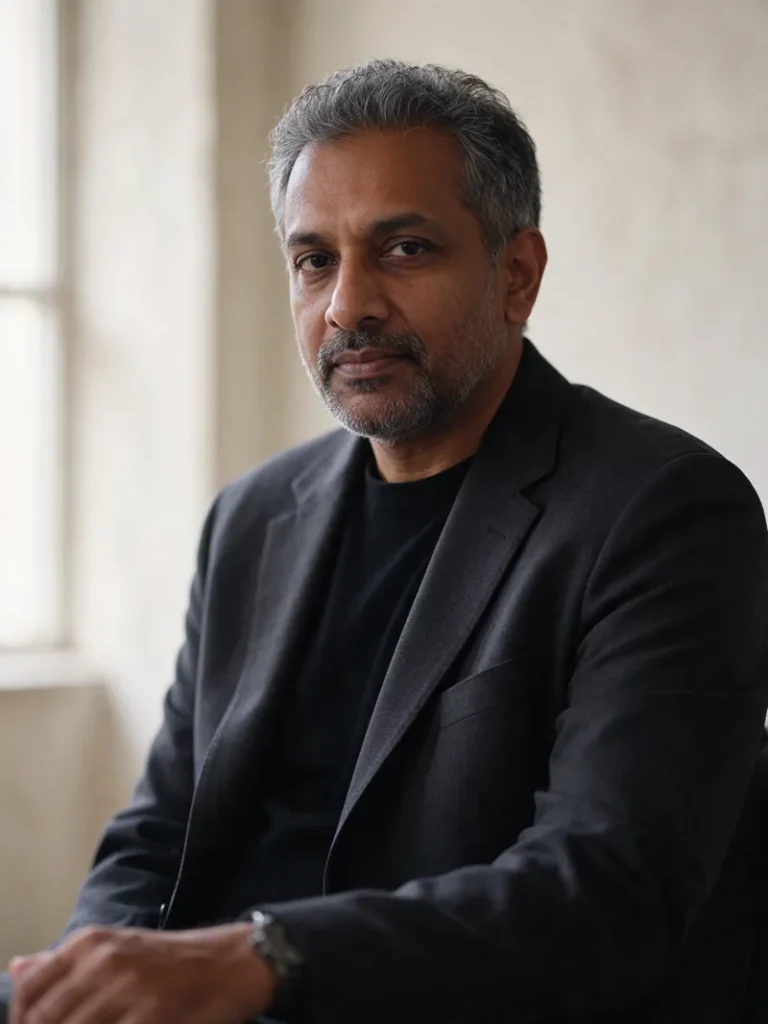
Arjun Mehta spent the better part of twenty years as operating chief executive of a mid-market industrial group, a family-controlled business that made components for manufacturers in several sectors. When he took the role, the group sold almost entirely within its home market. By the time he handed over day-to-day leadership, it had plants and sales offices across three continents and earned most of its revenue abroad. He now serves as chairman, a seat he took deliberately and on a timetable agreed with the board several years in advance.
The expansion taught him less about markets than about structure. Growth exposed every informal arrangement the business had relied on: decisions made over family dinners, roles defined by trust rather than accountability, capital allocated by instinct. Arjun learned, sometimes expensively, that a family business does not lose its character by adopting proper governance. It loses its character when it fails to, and the strain eventually falls on the relationships the family most wants to protect. He came to see succession not as an event but as a discipline that should begin a decade before anyone needs it.
His writing for The Thought Leaders Blog draws on that experience. He covers long-horizon leadership, board composition, the separation of ownership from management, and the practical work of preparing the next generation, whether or not they end up running the business. He writes for owners, chief executives and directors who are dealing with these questions now, and he tries to be candid about the trade-offs, including the ones he handled poorly. His aim is to offer the kind of advice he wishes he had been given in his first years in charge.
Today Arjun divides his time between the group’s board and informal conversations with owners facing similar transitions. As chairman he concentrates on the questions an operating executive rarely has time for: who leads in ten years, how risk is reported, and whether the board is genuinely independent of the family’s habits. He is careful to stay out of the chief executive’s way, a restraint he describes as the hardest part of the job.
Away from work, he is a patient if unremarkable gardener and a keen walker, and he finds that both reward the same long view he argues for in business. He reads widely in history, particularly accounts of institutions that outlasted their founders.
A family business doesn’t lose its soul by adopting governance; it loses it by waiting until a crisis forces the issue.
Topics: Succession planning, Board governance, Family business, Long-horizon leadership, International expansion
This profile is part of the journal’s illustrative series. The biography is imagined and the portrait is AI-generated.