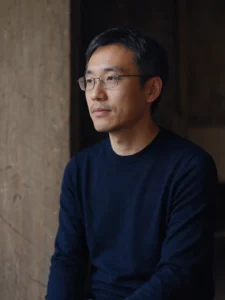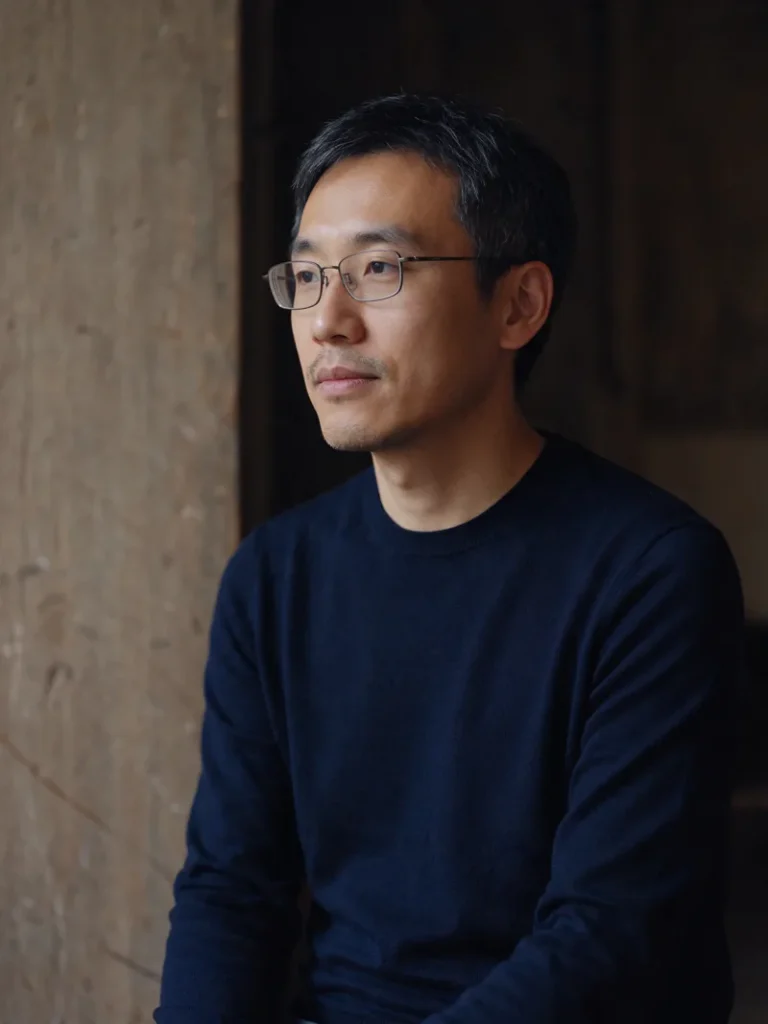
Daniel Cho spent the first part of his career as a software engineer, working on backend systems at companies large and small. He was the person who got paged at two in the morning, which taught him early that the interesting part of software begins after launch. That instinct led him to co-found his first company, where he served as the technical lead, and later a second, where he built the engineering team from three people to roughly forty before the business was acquired.
Those years left him with a short list of convictions. Most technical failures are really communication failures that happen to surface in code. Teams that write things down move faster than teams that rely on memory. And the cost of a shortcut is almost never paid by the person who took it. He also learned, sometimes painfully, that hiring for judgment matters more than hiring for any particular stack, and that a founder’s habits become the company’s culture whether or not anyone intends it.
Daniel writes for The Thought Leaders Blog about AI in real products, engineering culture, and the gap between demos and durable systems. He came to the AI subject the way many engineers did: by watching impressive prototypes stall once they met messy data, unclear ownership, and users who behave nothing like the test cases. His aim is to be useful to the people doing the work. He favors concrete examples over predictions, and he is comfortable saying when he does not know something. The article he most wants to write is the one he wishes someone had handed him ten years ago.
Today he invests in early technical teams, usually at the stage where there is a working prototype and a small group trying to decide what to build properly. He writes modest checks and spends most of his time on the unglamorous questions: how a team reviews code, how it handles incidents, what it measures, and who is allowed to say no. Founders tend to call him when something is breaking, which he considers the best compliment an investor can receive.
Outside of work, Daniel cooks more ambitiously than he should on weeknights, reads history, and keeps a running list of tools he has promised himself he will stop rebuilding from scratch. He is still, by his own account, an engineer first.
A demo proves something can work once; a product has to work on a Tuesday afternoon when nobody is watching.
Topics: AI in Production, Engineering Culture, Early-Stage Technical Teams, Software Reliability, Angel Investing
This profile is part of the journal’s illustrative series. The biography is imagined and the portrait is AI-generated.